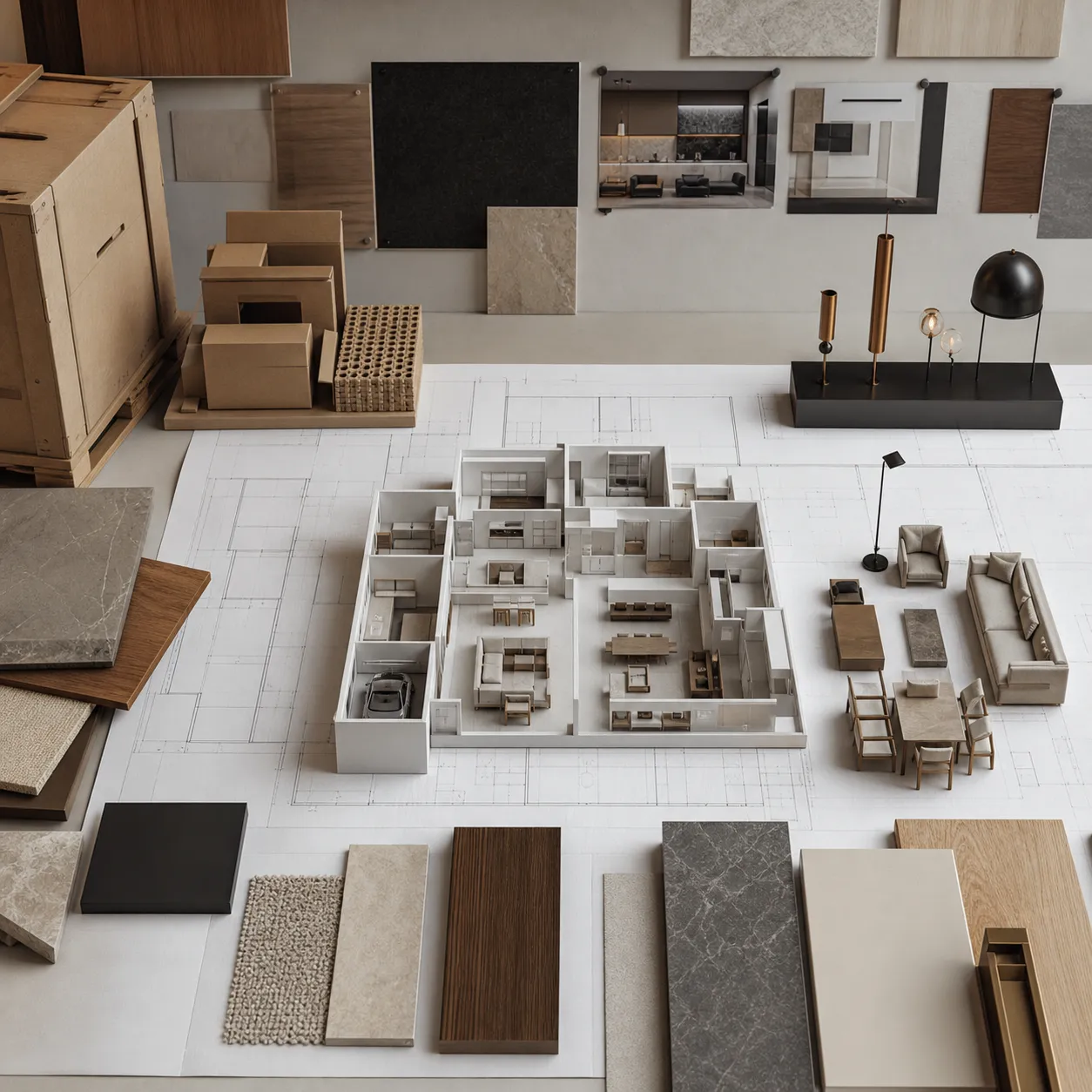
What goes on a furniture project sample board?
Wood, stone, fabric, leather, metal, lighting and finish references tied to schedule item codes, so approvals apply to the same lines that will be manufactured or purchased.
Material and Finish Control
Plan wood, fabric, stone and metal finishes for your hotel or apartment furniture package. Bring your drawings and preferred palette; MWL can help connect sample references to the items and rooms you are furnishing.
Choose the project use to see which item references and sample decisions to bring. These checklists prepare a discussion; they do not reserve physical samples or confirm finishes.
Purpose preselection needs JavaScript; all three checklists remain readable without it.
Samples
A sample board turns design direction into physical decisions before production and packing lock finishes.
Wood, stone, fabric, leather, metal, lighting and finish references tied to schedule item codes, so approvals apply to the same lines that will be manufactured or purchased.
Before bulk production or supplier release for those lines. Late sample changes cascade into remakes, finish mismatches and delivery delays.
Yes. Catalog finish options and custom sample sets can sit in one board as long as each decision maps to a schedule code and named approver.
Finish preferences or existing references, which rooms are critical, brand or operator constraints, and the person who can approve or reject samples in writing.
A mockup room is an assembled prototype space or piece where approved materials, finishes, furniture dimensions and construction details can be reviewed together before bulk production commits. After material samples pass individual approval, a mockup room lets the design team and operator see how those finishes actually work when combined in the space, so finish mismatches or construction details can be resolved while production is still flexible. A mock-up sign-off covers only its stated items, references and conditions; a separate authorized ordering or production-release instruction remains necessary.
Review approved drawings and dimensions together with furniture, materials, finishes and construction details. Named design, operator or brand approvers should record the decision before bulk production. MWL can organize inputs and relay approved decisions only when that coordination is included in the written scope.
Use the exact stone or veneer reference and an agreed representation of the relevant variation to discuss appearance before selection. Link the reference to the intended application and record its limitations. A photograph or small sample cannot guarantee every supplied surface will match it exactly; unresolved expectations should remain explicit for the designated material reviewer. Ask the specifier to review the stated range and limitations.
Record the intended cleaning routine against the exact furniture finish and obtain the applicable supplier care information with its limitations. Keep an assumed routine or unresolved compatibility question visible for the maintenance and specification reviewers. This requirements comparison does not prescribe cleaning chemicals, certify suitability, establish tested durability or authorize a substitution or maintenance procedure. Resolve requirement-versus-care-document differences through the named reviewer.
Check the exact fabric and claim against the relevant OEKO-TEX scheme record, including the stated product scope, identifying reference, issuer information and current status where available. Retain what was actually checked and any missing evidence. A supplier's familiarity with the scheme, an unrelated label or a fabric description is not evidence that this selection is certified. Verify the relevant scheme record or leave the product claim unverified.
Project fit
Approach
Material drift is one of the most common ways a project loses quality. A sofa fabric, dining chair wood, cabinet finish and stone surface may each look good alone, but the room fails if they do not work together. MWL uses the sample board as a decision tool that connects aesthetics to procurement, budget and production feasibility.
The board can be physical, digital or mixed depending on the project and location. What matters is that samples are tied to specific items and approvals. That connection lets the schedule, supplier, QC team and client all understand which material decisions are confirmed and which are still open.
Materials are specified to each project's requirements. Where a project calls for it, we can supply fire-retardant upholstery components tested to BS 5852 / CAL 117, FSC-certified timber, and OEKO-TEX certified textiles, with the corresponding third-party test reports or certificates (e.g. SGS) provided per project.
For items that require project-specific fabrication, review custom furniture drawing, sample and QC coordination; a sample board alone does not release production.
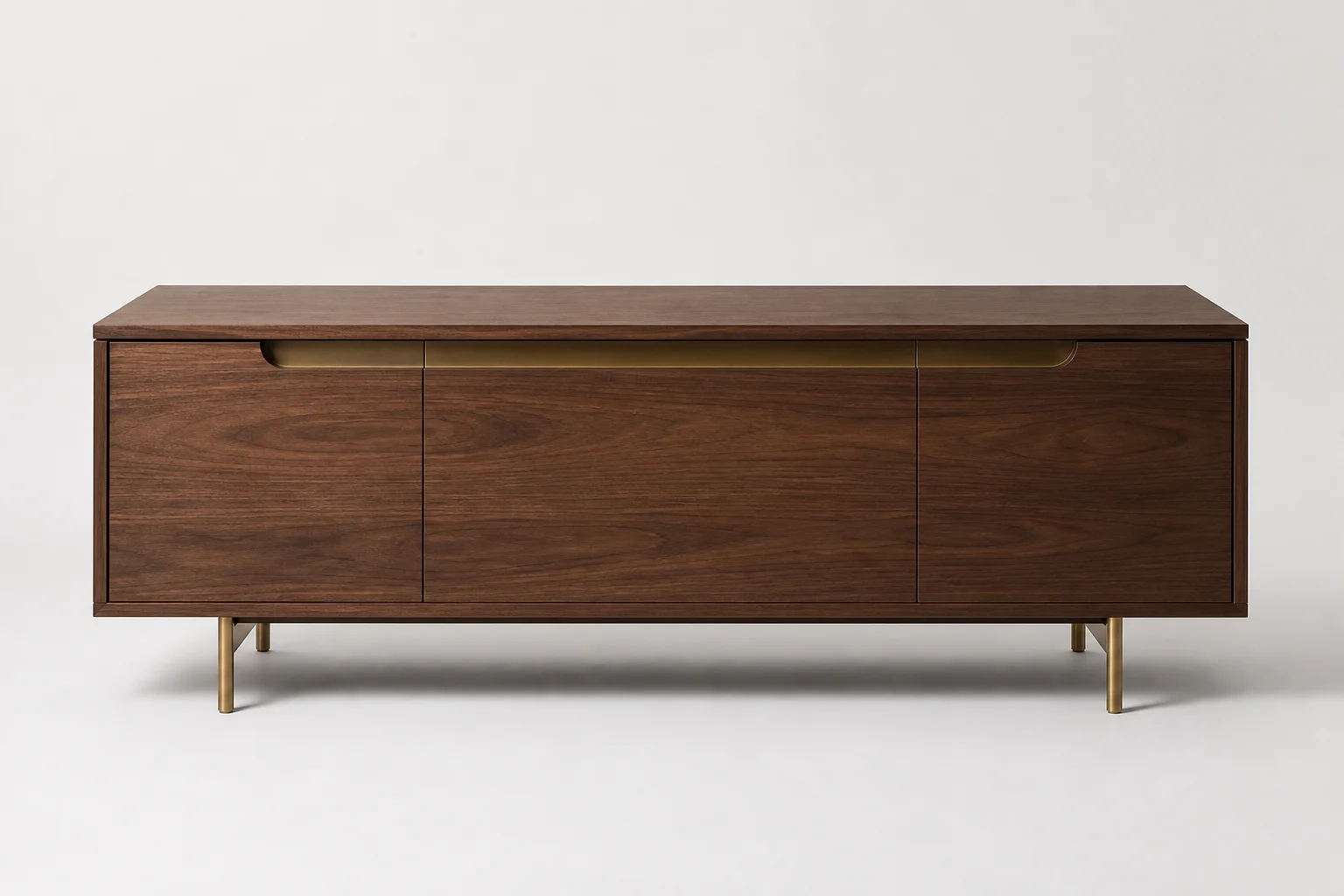
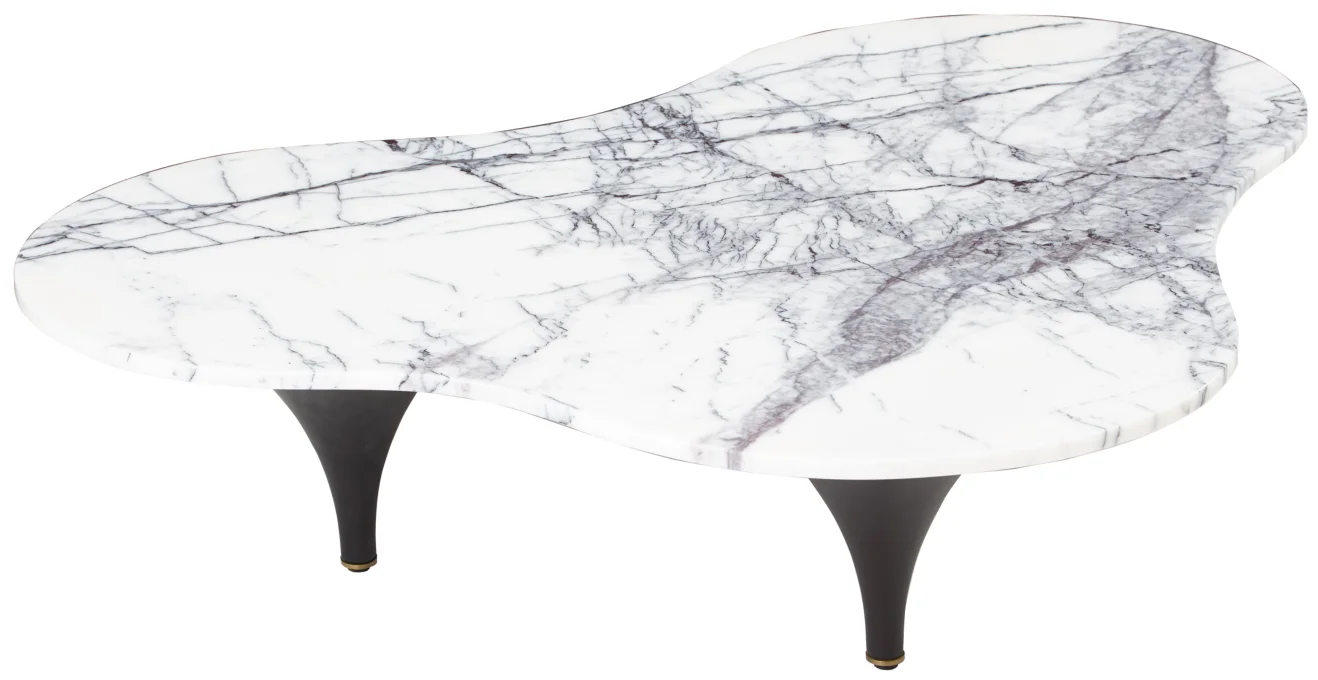
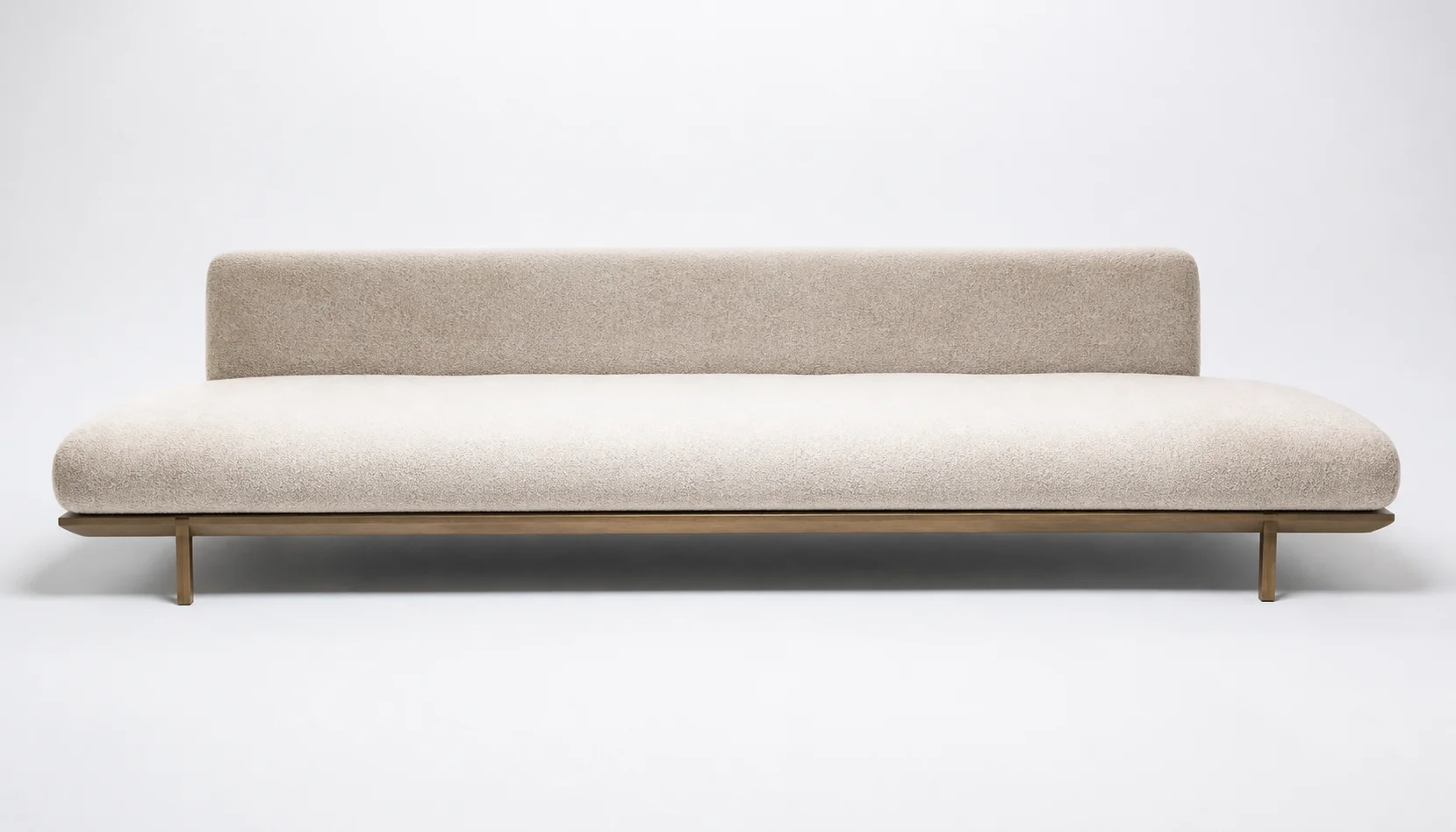
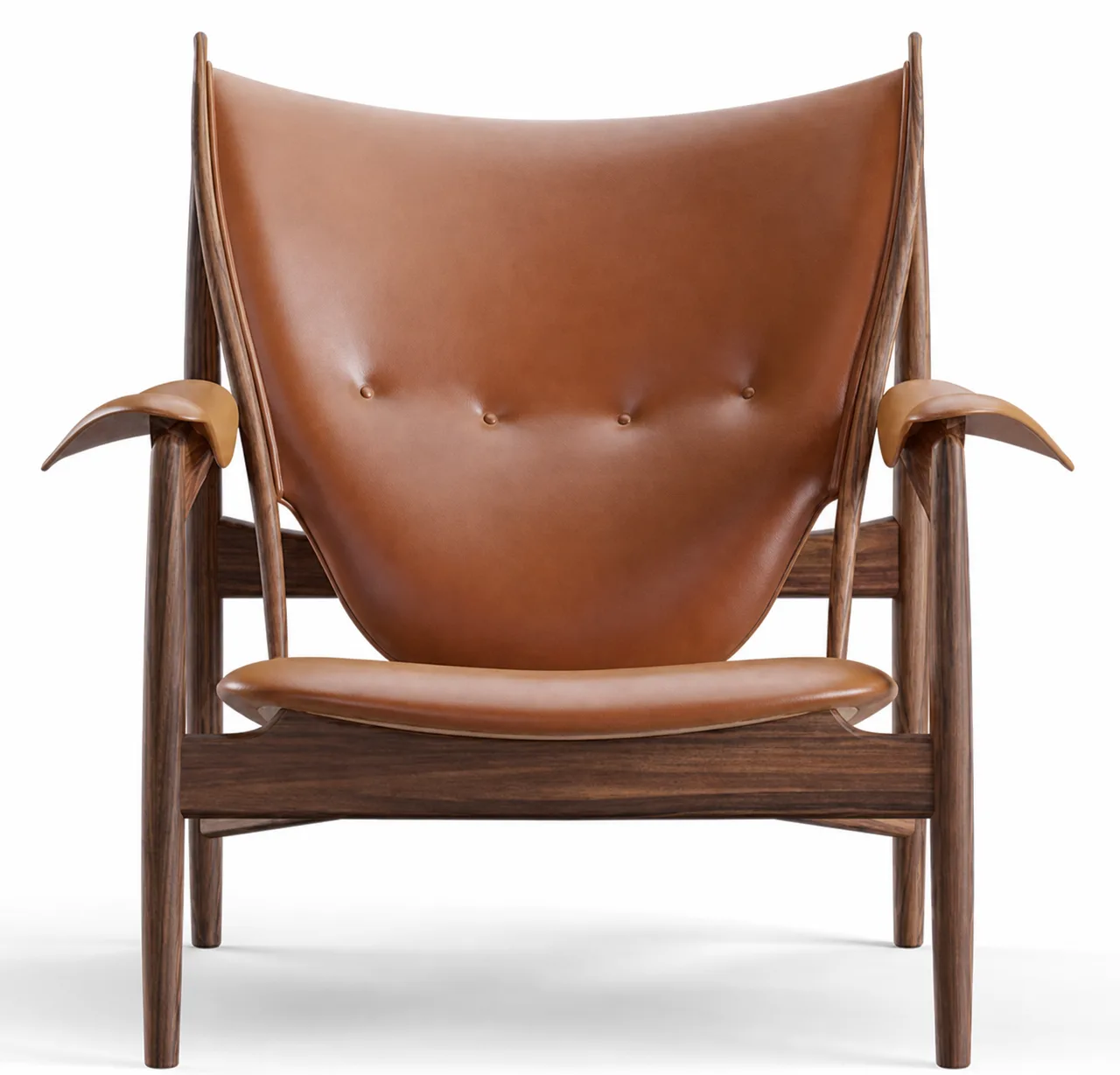
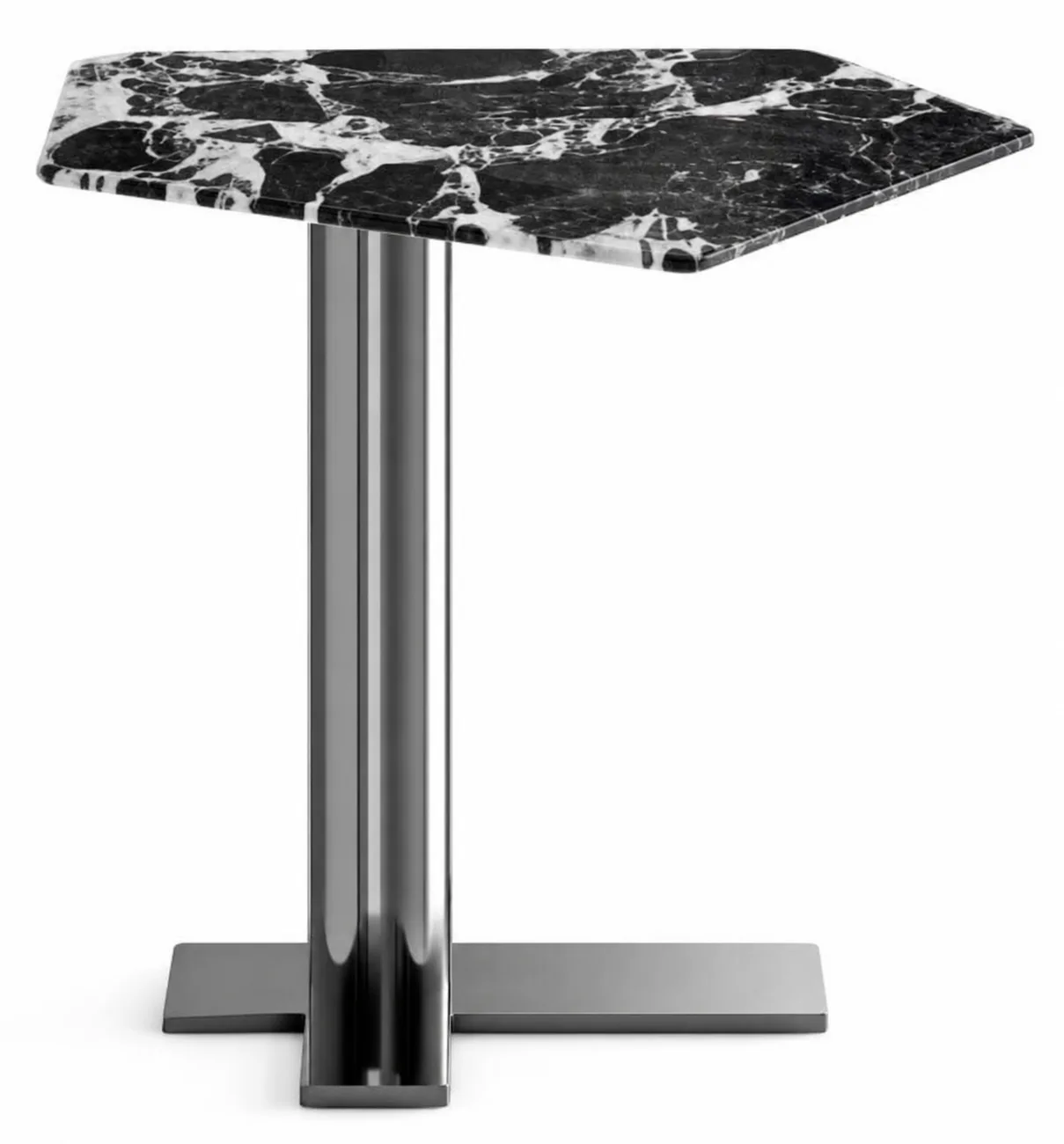
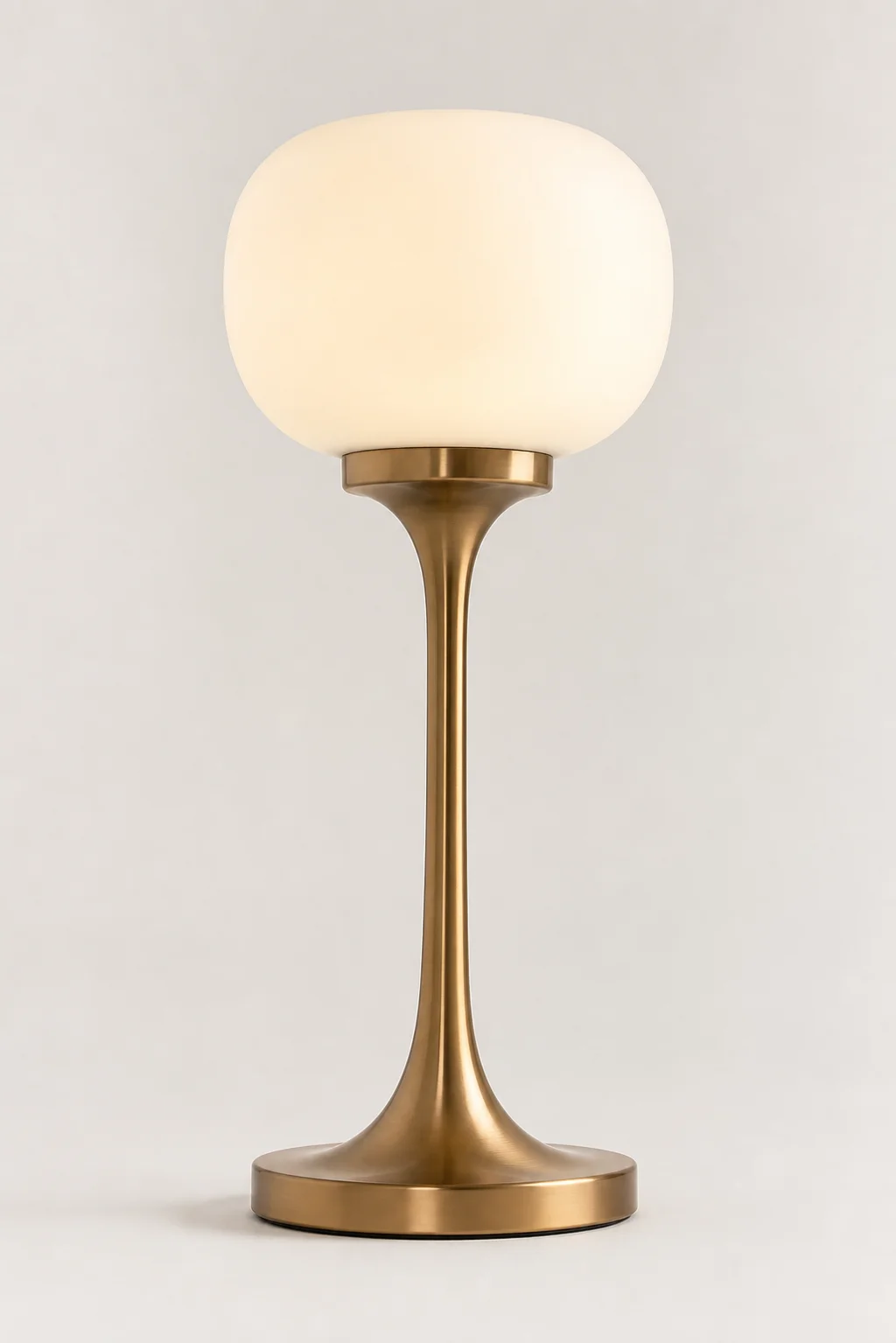
Material library
Process
Collect design direction, room priorities and existing materials
Curate material palette and item-linked sample logic
Confirm physical or digital samples with client or designer
Carry approved references into production and QC
Delivery context
A material sample board turns finish references into an approval tool. Linking each wood, stone, fabric, metal or lighting sample to a room or scheduled item helps the buyer identify conflicts before production and keep later checks tied to the agreed palette. Use the blank material-sample decision log (CSV) to record the furniture code and revision, sample reference, requested-versus-received stage and review decision. Leave unresolved fields blank. A sample review does not authorise an order or production release; record any release instruction separately.
Pricing inputs
FAQ
A curated set of material and finish references (wood, stone, fabric, leather, metal and lighting finishes) used to approve the palette before procurement begins, not just inspiration images.
Digital boards work well for early remote review, but physical samples are preferred for final finish approval where practical, especially for stone, fabric and other texture-dependent materials.
A furniture sample board links each material or finish reference to a furniture item or room in the schedule. Record the sample reference, drawing or finish revision and approval status together so decisions can be checked against the same item before procurement. The board is not a stand-alone production-release instruction.
MWL sequences the categories that take longest to approve (stone and custom fabric) ahead of faster ones, and holds production on any item until its material line is signed off.
It reduces mismatch, late substitutions and unclear finish expectations before production starts, which is where most avoidable rework and delay comes from.
The designated approvers should confirm the item specification, finish, fabric or leather, hardware, dimensions, and any approved alternative in writing. MWL tracks the approval record and production-release instruction with the relevant parties. The sample board alone is not a production authorization.
A catalog item should remain catalog-sourced when its documented model, finish, dimensions, and performance requirements match the approved schedule. A custom change should be recorded as a separate requirement or exception rather than treated as the catalog specification.
Custom and catalog finishes can share a controlled approval record when each item has a clear source, finish code, sample reference, and approval status. The record should distinguish catalog specifications from custom changes so an unapproved finish is not released.
The mockup room allows the project team to assess approved materials and furniture in the intended context. Its sign-off should reference the sample board, furniture schedule, item status, and open exceptions before MWL coordinates any dependent purchasing or production release.
The published high-rise guest-room coordination case study documents owner-reviewed material sample references, finish and upholstery sample ranges, and replaceable upholstery coordination carried through a single approval sequence. It shows the sample-board process applied to a real project rather than described in the abstract.
It can support the furniture and finish-reference scope within a construction project, with samples linked to scheduled items, drawings and approval records. It does not replace structural design, construction-product approval or project-specific compliance review. The project team must identify the responsible approvers and the limits of the furniture scope.